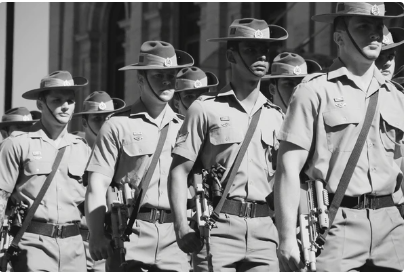
Anzac Day, observed annually on April 25th, holds profound significance for Australians and New Zealanders alike. It commemorates the landing of the Australian and New Zealand Army Corps (ANZAC) on the Gallipoli Peninsula in 1915 during World War I—a campaign that marked the first major military action for these forces. This day has since evolved to honour all service men and women who have participated in conflicts, wars, and peacekeeping operations, remembering especially those who made the ultimate sacrifice.
The History of Anzac Day
On April 25, 1915, ANZAC troops landed on the Gallipoli Peninsula in present-day Turkey as part of an Allied campaign to seize control of the Dardanelles Strait. The goal was to weaken the Ottoman Empire, an ally of Germany. However, the ANZAC forces encountered fierce resistance, harsh terrain, and extreme weather conditions. What was initially planned as a swift victory turned into an eight-month-long battle, resulting in heavy casualties. More than 8,000 Australian and 2,700 New Zealand soldiers lost their lives.
Although the Gallipoli campaign ultimately ended in withdrawal, the bravery, endurance, and mateship demonstrated by the ANZACs left a lasting impression. The sacrifices made on the battlefield helped shape national identities in both Australia and New Zealand, forging a legacy of resilience and unity.
After World War I, April 25th became a solemn day of remembrance. The first Anzac Day commemorations were held in 1916, and by the 1920s, ceremonies were being observed across both nations. Over the years, Anzac Day has come to honour all service personnel who have fought in subsequent conflicts, including World War II, the Korean War, the Vietnam War, and modern peacekeeping operations.
Traditions and Commemorations Anzac Day is marked by various ceremonies and rituals that reflect respect, remembrance, and national pride:
Dawn Services: Held at dawn, the time of the original Gallipoli landing, these services are a poignant reminder of the sacrifices made. Communities gather in silence to reflect and honour those who served.
Commemorative Marches: Veterans, current service personnel, and descendants participate in marches through cities and towns, fostering a sense of unity and collective remembrance.
The Last Post: This bugle call, traditionally used to signal the end of a soldier’s day, is played at commemorative services to honour those who have gone to their final rest, symbolically marking the end of their duty.
Moment of Silence: A minute of silence is observed to reflect on the sacrifices of those who served and to contemplate the cost of war.
Anzac Biscuits: Originally sent to soldiers by their loved ones during the war, these biscuits have become a symbol of home and are traditionally baked and shared on Anzac Day.
Anzac Day in Modern Times In recent years, Anzac Day has seen a resurgence in participation, with younger generations engaging in the commemorations, ensuring that the legacy of the ANZACs continues. The day serves not only as a remembrance of past sacrifices but also as a reflection on the ongoing contributions of service men and women in various conflicts and peacekeeping missions worldwide.
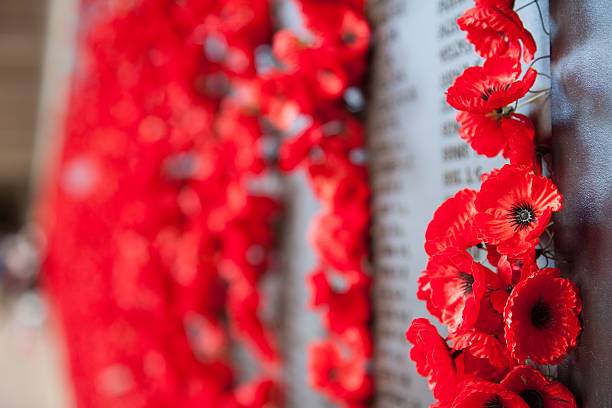
In Queensland, initiatives such as the installation of commemorative plaques at memorial sites provide families with the opportunity to honour their loved ones who served, preserving their legacy for future generations.
Close up of red poppies on a war memorial.
Anzac Day stands as a testament to the courage, resilience, and mateship that define the Australian and New Zealand spirit. It is a day to honour the past, reflect on the present, and instil hope for a peaceful future. As communities come together in remembrance, the legacy of the ANZACs continues to inspire and unite, ensuring that their sacrifices are never forgotten.